Safer School Passing Periods: Hallway Supervision Without Bottlenecks
Passing periods are some of the busiest minutes in a school day. Students travel between classrooms, stop at lockers, use restrooms, and navigate crowded corners while teachers prepare for their next class. A sensible supervision plan makes those transitions more predictable without treating every student conversation or pause as misconduct.
The goal is safe movement, not an empty corridor at all costs. Here are practical planning steps for middle and high schools that want to make ordinary transitions smoother.
Observe actual traffic before changing the rules
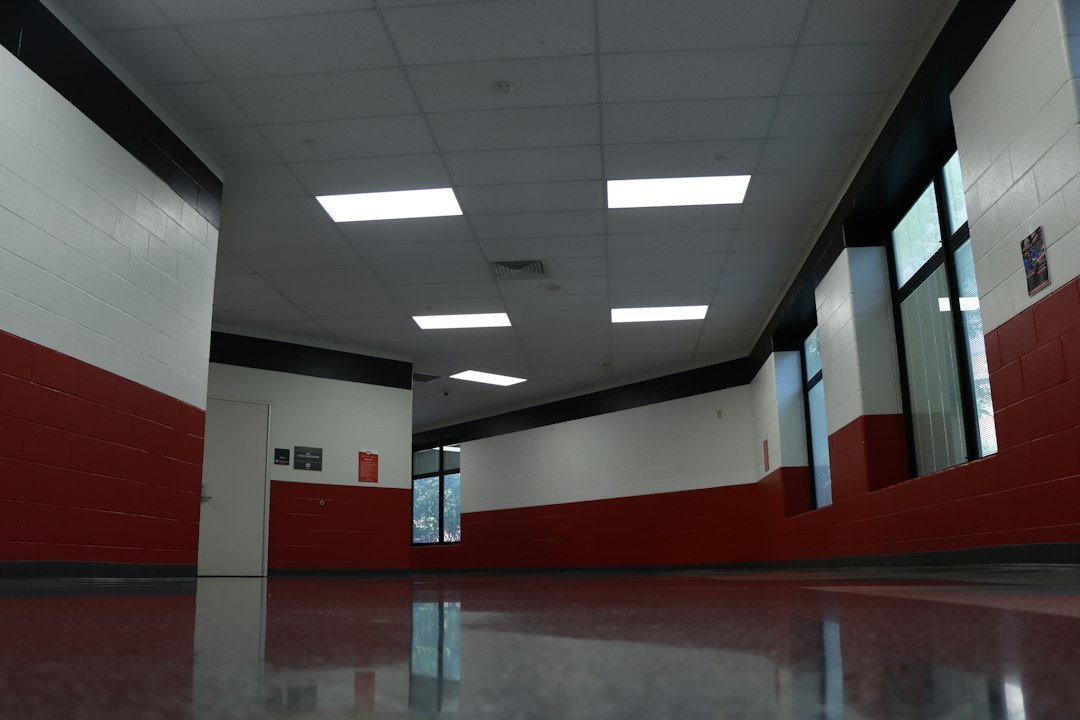
Walk the building during the busiest transitions and identify where movement slows. Look for narrow doorways, stairwell intersections, crowded locker banks, and places where students line up near classroom entrances. Document what you observe without assuming the causes.
Ask teachers, custodial staff, office personnel, and students where the problem spots are. Students may identify confusing traffic patterns or restroom access problems that are not obvious from an adult’s route through the building.
Put adults where visibility matters
A supervision plan should describe who monitors each high-traffic zone, where staff stand, and who provides coverage when someone is absent. Positioning matters: one adult standing near a corner may see more of an intersection than someone moving repeatedly between rooms.
Make supervision welcoming and visible rather than confrontational. Brief greetings and helpful reminders can support school climate while still making expectations clear. Avoid creating a crowd around a staff station or using supervision to block access to needed facilities.
Keep transitions clear and teachable
Post concise directions where students need them: stay to the expected side of a stairwell, keep entrances open, use approved routes, and leave enough room for others. Teach the expectations before a problem arises, then reinforce them consistently.
Consider whether students have enough transition time for the size and layout of the building. More supervision cannot fix a schedule that requires students to move unrealistically far in too little time.
Separate passing-period movement from class-time passes
Students changing classes are following a different routine from students leaving during instruction. A hallway pass system is mainly for unscheduled or individually approved class-time departures. Avoid requiring every student to create a digital pass for normal passing-period movement unless the school has a specific, workable reason.
Make it clear when the class-time sign-out procedure begins, what to do if a student needs an approved support appointment, and how office or library destinations are handled. Consistency helps students understand which process applies.
Plan for restrooms and high-demand areas
Restrooms are frequent destinations during transitions. Review their capacity and accessibility alongside the schedule. A hallway safety plan should not simply shift all restroom requests into class time or make students choose between arriving on time and meeting a basic need.
Work with building staff to address cleanliness, availability, and maintenance issues. The CDC’s school hand-hygiene guidance underscores the importance of including handwashing time and facilities in routines.
Prepare for unexpected movement and emergencies
Make sure the normal passing-period plan aligns with the school’s emergency procedures, evacuation routes, and accommodations. Staff should know how to communicate an urgent issue without causing unnecessary congestion.
During an ordinary school day, a missing or overdue pass should prompt a reasonable check by authorized staff. A sign-out record indicates intended movement, not a student’s live position.
Review the plan through several perspectives
After implementing a change, ask whether staff visibility improved, if stairwells remain congested, whether students report confusion, and if any group has been disadvantaged by the new procedure. Short observational walks and staff conversations may be more useful than an expensive monitoring system.
For broader context, the U.S. Department of Education describes school climate as including the physical, social, and instructional environment—not just discipline.
Connecting hallway routines with HallPulse
During class, a clear pass process complements but cannot replace hallway supervision. Explore the HallPulse individual classroom workflow or read the related school hallway safety guide. School teams considering shared processes can start at HallPulse for Schools.
Frequently asked questions
Can a hall pass system reduce passing-period congestion?
Only indirectly. Pass records primarily address class-time departures. Passing-period congestion usually requires changes to supervision, movement patterns, schedules, or space use.
How should staff respond to crowded corridors?
Use agreed, calm directions and ensure staff are positioned for visibility. Escalation procedures should follow school policy and prioritize safety.